
“In our CINDAL innovation center we develop high-performance products that contain a high percentage of recycled aluminum. Together, Aludium and our customers are testing the limits of what the most advanced casting and rolling technologies can do.”
Cindal R&D
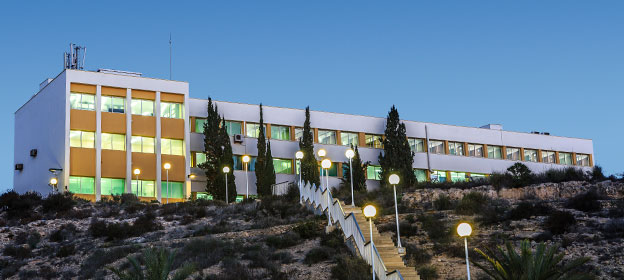
I+D Cindal, Innovative solutions that build the future of aluminum
The Cindal R&D center in Alicante (Spain) is one of the world’s leading aluminum research centers. The team of experts has
specialists in all areas of technology, products and processes.
In addition to having the responsibility of optimizing Aludium’s own products and processes, Cindal R&D provides a valuable support and advice to our clients. Whether looking for the right alloy for an application or providing information on surface finishes, Cindal R&D is there to help. The CINDAL team also performs the function of knowledge transfer through an extensive training program.
Laboratories
Cindal has advanced laboratories to develop new products and satisfy the needs of our customers in terms of testing and development of new products.
Simulation of the thermo-mechanical process Cindal is equipped to develop new alloys, products, designs and finishes, and simulate any type of process in aluminum. This allows the customer to significantly reduce the costs of developing new products and the time required to bring them to market.
Library and Patents
Over the years, Cindal R&D has accumulated an extensive library of references covering all aspects of aluminum metallurgy and processes. The R&D center also has an increasing number of patents.
International Representation
Cindal R&D represents Aludium in a number of organizations international, including:
– CEN – the European organization for the planning, elaboration and approval of European Standards for Aluminum rolled products. Aludium is part of the Aluminum and Aluminum Alloys group (CTN / 132).
– AENOR – national standards association that is also a member of CEN. Aludium is active in CTN / 38 – Light metals (Al, Mg, Ti). And CNT / 112 (corrosion and surface treatments on metal surfaces).
– European Aluminum (EA) and its working groups.
– Materplat – the Technological Platform for Advanced Materials and Nanomaterials.
– Aluminum in contact with food (ACF)
– European Aluminum Foil Association (EAFA)
Areas of experience
The Cindal R&D center concentrates its work in the following areas:
Cindal R&D can simulate parameters such as rolling reductions or annealing conditions to achieve the desired performance during our customers’ processing operations. Our knowledge of the characteristics of different alloys enables us to quickly identify the correct alloy and simulate the thermomechanical route to define the industrial process, depending on the mechanical properties required in the final product.
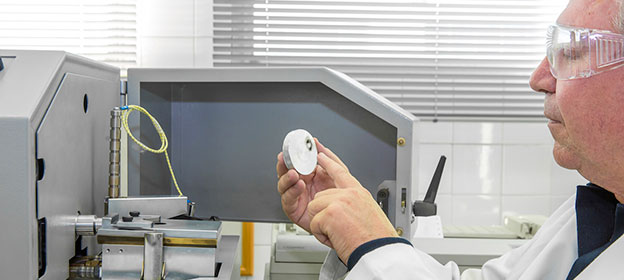
Our laboratory is equipped to carry out the complete analysis of materials of different aluminum alloys. By combining our knowledge of microstructures with the latest analysis equipment, we can help you identify the best material and process to achieve your application.
Our materials teams allow us to complete different types of tests:
– Comprehensive analysis of primary aluminum
– Assurance of analytical quality
– Analysis of heavy metals (Compliance with FDA / CONEG regulations)
– Hydrogen content in aluminum
– Calibration of optical emission spectrometers and performance tests.
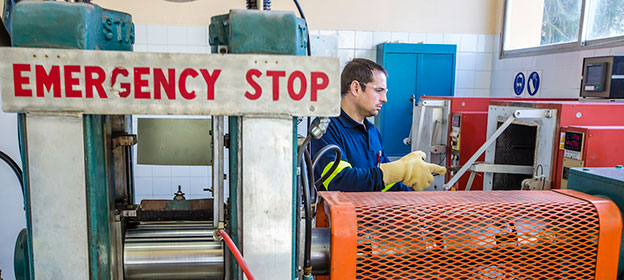
Cindal R&D metallurgical facilities allow Aludium to design and monitor aluminum manufacturing processes. They also allow us to gain a solid understanding of how aluminum structures can be optimized.
The Cindal R&D pilot plant allows us to simulate rolling procedures and different heat treatments. Using these resources, we can quickly evaluate innovative processes.
Our metallographic laboratory focuses on surface and microstructural characterization. We use a full range of research tools, including optical and stereomicroscopes and electron microscopes (SEM). We can perform energy dispersive X-ray (EDX) microanalysis to provide information on the composition of the material examined.
Services.
These range from destructive testing to drawing testing to testing non-destructive as optical systems to measure deformation and crack propagation. Our full range of assays enables us to develop analyzes for the highly diversified market and applications where Aludium products are used.
Aludium’s Cindal R&D specialists are prepared to evaluate, explain and interpret the results of our investigations. We can accompany our research reports with practical recommendations for new and existing solutions.
Cindal R&D has extensive expertise in lubricants and tribology (including those used in hydraulic systems) for continuous casting, hot rolling, cold rolling, bright rolling and foil rolling.
We have worked for years with the world’s leading lubricant suppliers. Our team can provide technical support and help you select and develop the best formulations for your processes.
Our laboratory equipment and expertise enable us to perform a wide range of lubricant tests. In addition to standard testing, we can conduct customized experiments. Our test results will provide you with all the information you need to design and continuously improve your lubrication systems.
Aludium-Cindal-183Aludium-Cindal-205
We specialize in assessing lubricant compliance with US Food and Drug Administration (FDA) regulations. We can also simulate and design oil recovery and filtration systems.
Our techniques include:
– Gas chromatography and headspace analysis (GC)
– High-performance liquid chromatography (HPLC)
– Fourier-transform infrared spectroscopy (FTIR)
– Ultraviolet spectroscopy
– Thermogravimetric analysis (TGA)
– Differential scanning calorimetry (DSC)
– Inductively coupled plasma (ICP)
– X-ray fluorescence (XRF)
– All our services comply with the most stringent international standards (EN, ASTM, etc.) applicable to each specific test.
Cindal R&D is able to perform all types of corrosion tests and evaluate both bare and processed aluminium.
This gives our customers the confidence they need in the corrosion performance of the selected aluminium for applications where corrosion resistance is a key requirement.
Cindal R&D has extensive experience in the following types of corrosion testing and evaluation:
– Intergranular corrosion testing (NALMT)
– Exfoliation corrosion testing (ASSET and EXCO)
– Salt spray chamber testing (NSTT, AASST, CASST, SWAAT)
– Ageing tests (humidity, high temperature, Machu immersion test)
– Filiform corrosion testing
– Stress corrosion cracking (SCC) testing (C-rings, uniaxial tensile specimens or T-bars)
– Exposure to real or simulated marine atmospheres
– Other forms of corrosion, such as crevice corrosion, abrasion and galvanic corrosion
– Other forms of corrosion, such as differential aeration corrosion, abrasion and galvanic coupling
– Our support may include preliminary assessments of the compatibility of various substances with aluminium, sample preparation (such as painting), testing, metallurgical studies and the preparation of final reports (in Spanish, English and French).
All our corrosion resistance evaluations are carried out in accordance with the applicable international standards (ISO, EN, ASTM) for each specific corrosion test.
Contact Aludium
to learn more about
how our Cindal
R&D facility
can help you.
+34 96 598 9543
Contact Aludium
Independent
Advice
Cindal is accredited to carry out chemical composition analyses on aluminium and to perform certain mechanical tests on metallic materials (sheets and flat products), in accordance with the international standard UNE-EN ISO/IEC 17025. These services are also available to external industrial companies.
The scope of our accreditation can be viewed on the website of the National Accreditation Body (ENAC): https://www.enac.es
Contact Aludium
Metal analysis quality assurance
Cindal I+D está dotado de los recursos necesarios para asegurar la calidad del aluminio y aleaciones de aluminio a nivel internacional. También llevamos a cabo auditorías regulares de las instalaciones propias de Aludium para asegurar:
– Calidad del análisis del metal
– Control de elementos tóxicos para las aleaciones
– Pruebas de aptitud
– Análisis especiales
– Análisis exhaustivo de metal primario
– Garantía de la calidad del hidrógeno
– Estandarización e implementación de las mejores prácticas
– Diseño, selección y calibración de la instrumentación para el análisis
Los análisis de Cindal I+D garantiza la calidad de 25 laboratorios alrededor del mundo y 35 instrumentos.
Asesoramiento Objetivo
Cindal I+D dispone de acreditación ISO 17025 para los siguientes ensayos:
- Análisis de composición química de Aluminio y sus aleaciones
por espectrometría de emisión óptica. - Ensayos mecánicos en materiales metálicos (chapas y productos planos):
- Ensayos de tracción (hasta 100 kN).
- Resistencia a la tracción (Rm, UTS).
- Límite elástico (Rp, Ys).
- Alargamiento (A, Elongation).
- Determinación por VIS-UV de la lectura de absorbancia
(rango 280-400 nm) en muestras de lubricantes minerales (FDA).
Para más información sobre el alcance de nuestra acreditación,
pueden consultar la página de la Entidad Nacional de
Acreditación (ENAC):
https://www.enac.es
to learn more about
how our Cindal R&D
facility can help you.
+34 96 598 9543
Contact Aludium

Process and product solutions
Our experience focuses on the following areas:
Cindal R&D offers fully equipped pilot plants for:
– Studies of annealing treatments
– Anodizing
– Chemical brightening
– Degreasing and pickling
– Electro-grained
– Shot blasting
– Conversion layers or pretreatments
– Painted
– Electro-polishing
– Hot and cold rolling tests
– Studies of inorganic finishes
– Corrosion tests
– Selection of instruments
Cindal R&D conducts research into the design of aluminum alloys for specific applications. Our facilities allow us to demonstrate the behavior of metal during its processing and manufacturing.
We can simulate the effects of casting, rolling, drawing, bending and other processes.
Heat treatments are a critical step in the manufacture of aluminum products. They are used to define or improve the microstructure of alloys, they allow lamination to achieve the desired characteristics in the metal.
Cindal I + D can advise you on the appropriate heat treatment to achieve the final product that you need . Our test equipment allows us to monitor:
– Heat treatments
– Influence on grain structure
– Macro and microstructure
– Control of mechanical properties
– Stabilization of the structure.
Cindal I + D is equipped with a complete set of tools that allow us to characterize materials, from chemical composition, through mechanical tests, metallographic structure to surface characterization (coated, anodized, pretreatment, …). We use non-destructive testing, optical and electron microscopy, interferometric microscopy, and other techniques to analyze surface topography and surface treatments down to the nanometer level.
The Cindal R&D team can tailor the characterization of our material to customer needs. We help the client to achieve their objectives by using the appropriate techniques and state-of-the-art equipment.
Mechanical tests provide information on how an aluminum alloy will perform under real conditions. Cindal R&D can carry out a range of tests including:
– Tension test
– Axial dynamic test
– Earing test
– Erichsen test < br /> – Fatigue test
– Foil mechanical tests
– Fracture resistance
– Hardness measurements (Brinell, Rockwell, Vickers)
– High temperature mechanical test
– Short fatigue cycle tests (dynamic axial and constant amplitude)
– FLD, FLC, r, n
We test according to international standards such as EN, ASTM and others.
Surface treatments and coatings used on aluminum products will affect their behavior, appearance and finish. Cindal R&D can simulate the effect of different treatments on a laboratory and pilot plant scale. Potential surface treatments include:
– Anodizing
– Shot blasting
– Chemical polishing
– Degreasing and pickling
– Electro-graining
– Electro -polishing
– Painting and conversion layers
Through techniques of characterization of new surfaces, measurements of laminated surfaces and topographic studies, – Cindal I + D can advise on the appropriate treatment for each application. Our surface characterization methods include:
– Abrasion resistance measurements
– Color measurements
– Topographic analysis
– Gloss and optical properties measurements
– Surface tension and contact angle
– Interferometric microscopy
Contact us to learn more about
how our Cindal R&D facility can help you.
+34 96 598 9543
Contact us
Advice
Objective
Cindal is accredited to carry out objective chemical analysis of any aluminum material and tensile tests of any material for external industrial companies in accordance with the international standard UNE-EN ISO / IEC 17025 .
Training
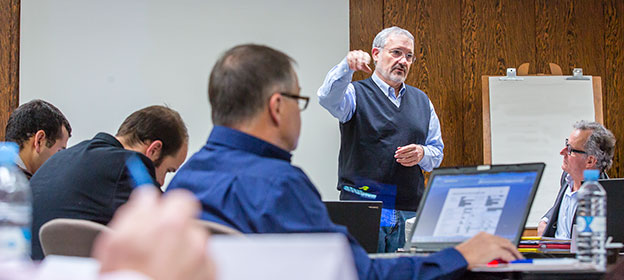
Cindal R&D offers training sessions to any employee in the aluminum sector.
While some courses are offered on a regular basis, others are offered on demand . The trainings can be provided at Cindal R&D facilities in Alicante (Spain) or at your location.
The training programs are led by our highly qualified team of researchers.
To learn more about the courses, click on the topic in the list below. We will keep you informed about the next training session.
Cold Lamination Basics
Lamination lubricant control (hot, cold, gloss and foil)
Hydrogen in aluminum (fundamentals and its control)
Lubrication and defects
Metal Analysis (Fundamentals, Sampling and Analysis)
Metallurgy of non-heat treatable alloys.
Metallurgy of heat-treatable alloys.
Alloy metallurgy (mechanism, rolling metallurgy)
Principles of aluminum lamination
Profile and flatness
Products, alloys, their most important characteristics and defects
Lamination metallurgy
Statistics (design of experiments)
Surface finishes and corrosion
Surface treatments
Surface quality management
Tribology and lubrication
Contact us to learn more about
how our Cindal R&D facility can help you.
+34 96 598 9543
Contact us
Advice
Objective
Cindal is accredited to carry out objective chemical analysis of any aluminum material and tensile tests of any material for external industrial companies in accordance with the international standard UNE-EN ISO / IEC 17025 .
Technical support
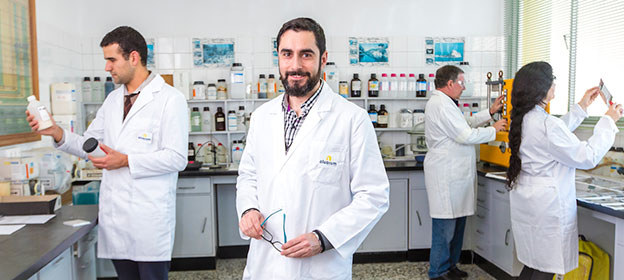
When our clients send us their questions, Cindal I + D carries out a complete analysis of the solution. This may include testing the alloy used, its processing, and the equipment in Aludium’s rolling mills.
Our team will look into this issue to determine the cause of the problem. Through our research we will develop recommendations and work with you to implement the required actions.
Contact us to learn more about
how our Cindal R&D facility can help you.
+34 96 598 9543
Contact us
Advice
Objective
Cindal is accredited to carry out objective chemical analysis of any aluminum material and tensile tests of any material for external industrial companies in accordance with the international standard UNE-EN ISO / IEC 17025 .
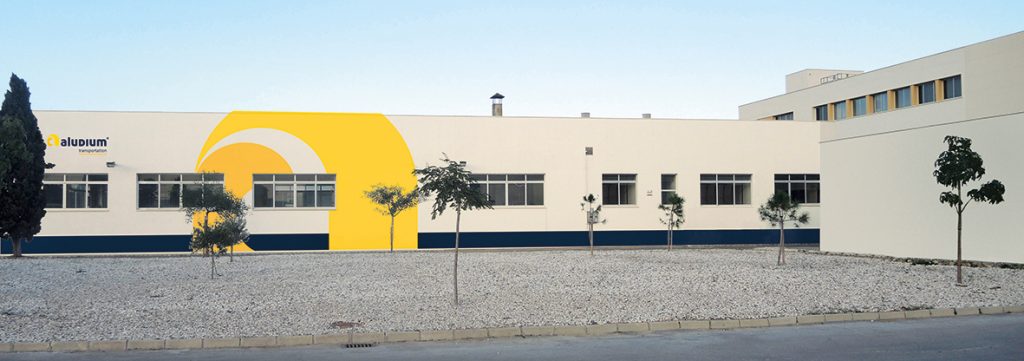
Aludium Transportation hub to focus on mobility
Aludium Transportation will focus on aluminum applications in automotive, heavy truck, bus and rail. Our goal is to develop materials and components working with Tier 1 and Tier 2 suppliers. We do not want to be a mere supplier of raw materials, we want to provide Engineering and support service.
Our goal is to bring aluminum to a range widest range of automotive models. Until now aluminum has been limited to premium brands such as Audi, BMW, Mercedes and Range Rover. We want to take it one level further down.
Aluminum-rolled car mapping at Cindal R&D Center We have already launched development programs to explore cost-effective technologies that can make aluminum more attractive to OEMs in the world. middle price segment. Decorandum®, ISO Decorandum®, and Texturalndum are examples of products that we have already brought to market as part of this strategy. These products can go directly from the rolling mill to the vehicle.
Aludium Transportation is part of our Cindal R&D center, one of the leading and reference laboratories for aluminum research and development in Europe.
Laminated aluminum for truck thermal screens, developed at the Cindal R&D Center
Cindal does not understand aluminum only as a product, our R&D team knows how it should be done to to be able to respond perfectly during the processes that our customers will use.
Aludium has more than half a century of experience in transforming itself into a global supplier of markets for cosmetic packaging, caps and food cans. This gives us extensive knowledge of the behavior of aluminum in the forming and drawing processes. We have already applied this knowledge to help Tier 2 suppliers create the complex shapes required for automotive applications.
We plan to introduce more strategic collaborations with Tier 1 and 2 suppliers.
This will involve us in the early stages of development for new products, offering new solutions, and supporting our clients in all phases of the project. Aludium’s extensive knowledge of aluminum, coupled with our testing and analysis capabilities, makes us ideal partners for this type of project.
Hot rolled aluminum car component sample
< p> We want to offer solutions that replace steel or other materials with lighter weight aluminum alternatives. Weight reduction is a necessity in this industry to respond to more demanding regulations and create more sustainable and environmentally friendly mobility options.
We are certified as a supplier of aluminum materials under the quality standard ISO / TS16949 and we use advanced planning procedures for quality products (APQP).
Once we have started working with the component manufacturer, we jointly develop the necessary documentation such as the definition of the product and the process; the corresponding FMEAs; a validation plan to mitigate or eliminate risks; and we define the necessary steps to industrialize the product. Of course, we also give our clients all the technical support they need for the complete certification of the component.
If you need more information, please contact us.
Contact us to learn more about
how our Cindal R&D facility can help you.
+34 96 598 9543
Contact us
Advice
Objective
Cindal is accredited to carry out objective chemical analysis of any aluminum material and tensile tests of any material for external industrial companies in accordance with the international standard UNE-EN ISO / IEC 17025 .